Global Media and Information Literacy Week
Dear colleagues!
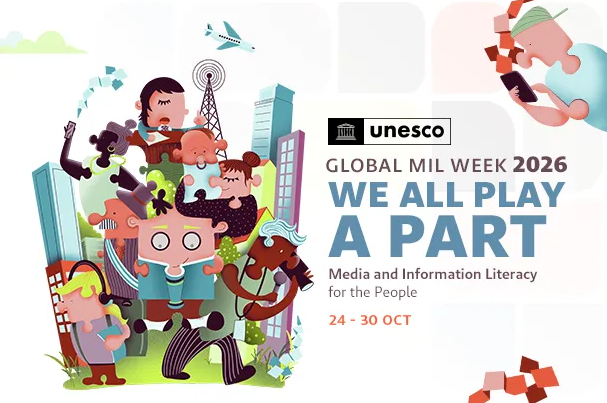
We invite libraries at higher education institutions to take an active part in Global Media and Information Literacy Week, which takes place annually from 24 to 31 October with the support of UNESCO. Against the backdrop of the rapid development of the digital environment, artificial intelligence and information technology, the ability to find, verify, critically evaluate and use information responsibly is now one of the most important skills for everyone. Media and information literacy is the knowledge that enables people to effectively find and access information, assess its reliability, identify manipulation and disinformation, use digital resources safely, and create their own information content. It encompasses a wide range of skills and attitudes.
This topic is particularly relevant for university libraries. The library is one of the key venues within a university for developing information literacy skills, academic culture, critical thinking and the responsible use of digital resources.
Considering this, we invite university libraries to join Global Media and Information Literacy Week and organize themed events at their universities:
- lectures and open sessions on media literacy and critical thinking;
- practical sessions on factchecking and identifying fake news;
- sessions on finding, evaluating and making effective use of academic information;
- events on information and digital security;
- workshops on the responsible use of artificial intelligence;
- discussions on academic integrity, copyright and the ethics of working with information;
- masterclasses on using electronic libraries, academic databases and digital resources;
- themed exhibitions, information stands and online campaigns;
- competitions, quizzes and interactive events for students.
We invite every library to choose a format and theme that suits the needs of its university audience, and to make Global Media and Information Literacy Week a prominent professional event at their institution.
Practice-oriented events are particularly welcome, as they enable students and lecturers to gain hands-on experience in using tools for verifying information, searching for academic sources, recognizing unreliable content and interacting safely with modern digital technologies.
We are confident that the joint participation of libraries in this international initiative will highlight their vital role in shaping the information culture of the university community and in developing the skills people need in today’s digital environment.
Join us! Let’s work together to show that a modern university library is not just a space for knowledge, but also a space for developing critical thinking, digital literacy and a responsible approach to information!